Search
BLOG POST

Advocacy and Giving: Why Food Banks Need Both Immediate Help and Long-Term Change

By The Compass. May 18, 2026. 

Food banks need both immediate help and long-term change. Donations help provide food, meals, and support for people facing food insecurity today, while advocacy works to address root causes like income insecurity, unaffordable housing, rising food costs, and gaps in social supports. Together, giving and advocacy support The Compass’ mission of Help for Today, Hope for Tomorrow by meeting urgent needs while working toward lasting community change.

Food Insecurity Is About More Than Food

Food insecurity means a person or household does not have reliable access to enough affordable, nutritious food. But the cause is rarely simple.

A person may need food because rent has taken most of their income. A parent may need help because childcare, transportation, and groceries no longer fit into one paycheque. A senior may be choosing between medication and meals. Someone experiencing homelessness may need food, but also warmth, safety, identification, healthcare, and connection.

This is why food banks are often one of the first places where larger community problems become visible.

For The Compass, community support means more than filling shelves. It means providing food with dignity, creating a welcoming place, and helping people connect with support that can make life more stable.

Giving helps today. Advocacy looks further ahead.

Giving and advocacy are sometimes treated as separate ideas. They are actually connected.

Giving answers the immediate question: How can we help someone today?
Advocacy asks the longer-term question: Why are so many people needing help in the first place?

Both questions matter.

If someone needs groceries this week, they cannot wait for policy change. They need food now. Donations, food drives, volunteers, and monthly giving help meet that urgent need.

But if the same pressures keep pushing people into food insecurity, food banks must also speak up about the root causes. The Compass’ advocacy work focuses on hunger, affordable housing, rising food costs, income insecurity, and access to nutritious food.

This is not about choosing between charity and change. It is about understanding that communities need both.

Why immediate help matters?

When someone needs food, the first priority is simple: make sure they can eat.

Food donations, financial gifts, volunteer time, and weekly grocery support all help meet urgent needs. For a neighbour facing food insecurity, immediate help can mean having enough food to get through the week. It can mean a parent has something to put in a child’s lunch. It can mean someone can sit down for a meal in a warm, welcoming space instead of facing the day alone.

This kind of support is not small. It protects dignity.

The Compass supports individuals and families in Mississauga facing food insecurity and homelessness. Food donations help meet urgent needs, while financial support helps purchase fresh food, expand weekly distribution, and respond quickly when demand rises.

This is why giving matters. A donation does not have to solve every cause of hunger to be meaningful. It can help someone today. It can reduce pressure. It can make a hard week more manageable.

For donors who want the most flexible way to help, donating funds allows us to respond where the need is greatest. Financial gifts can help purchase fresh produce, dairy, frozen protein, and other nutritious items that may not always arrive through food donations. The Compass notes that monetary donations support immediate help and long-term community impact.

To help provide immediate food assistance in Mississauga, make a secure gift through Donating Funds.
Why food banks cannot solve hunger alone?

Food banks are essential, but they cannot carry the full weight of food insecurity by themselves.

Food distribution helps people survive a crisis. It does not fix unaffordable rent. It does not raise wages. It does not shorten waitlists for support. It does not make groceries cheaper. It does not solve gaps in healthcare, mental health support, addiction services, or social assistance.

Through advocacy we explain that the organization is known as a food bank, but is “so much more than that.” Our advocacy work includes wraparound support and a local focus on speaking up for community members, especially those experiencing homelessness or struggling to make ends meet in Mississauga.

That work matters because food insecurity is not only a food problem. It is a sign that people are being squeezed by systems that are not meeting basic needs.

When food banks advocate, they help the community see what is happening beneath the surface.

Monthly giving helps create stability

Food donations are important. They help keep shelves stocked and give neighbours access to everyday essentials.

But donating funds is the most useful way to help.

When donors donate funds, The Compass can respond to the most urgent needs. Funds can help purchase food efficiently, fill gaps in inventory, support meals, and keep programs running. Financial gifts also provide flexibility. If a certain item is running low, or if demand rises quickly, funds help The Compass respond without waiting for specific items to arrive. We have partnerships with several local food suppliers to purchase some of our much needed items at less than retail prices.

The Compass notes that every monetary donation makes a difference and helps provide immediate support to those in need. Tax receipts are provided for monetary donations of $20 or more.

For donors, this means a financial gift can help in practical and direct ways. It supports the day-to-day work of feeding neighbours and offering community support.

Why monthly giving matters?

Food insecurity does not follow a campaign calendar. People need groceries every week. Meals need to be prepared every week. Shelves need to be stocked every week.

That is why monthly giving is so valuable.

Through our Nourishing Circle, monthly donors provide reliable support for families, seniors, and children in Mississauga. The Compass explains that monthly giving helps stock shelves every week, plan for rising community needs, and create lasting stability for people in need.

Monthly giving also helps The Compass plan ahead. Predictable support makes it easier to purchase fresh food, prepare meals, support programs, and respond to ongoing demand.

For donors, a monthly gift can be manageable. For The Compass, it becomes steady support the community can count on.

To provide reliable help throughout the year, consider joining The Compass’ Nourishing Circle.

Food donations still play an important role

Advocacy matters, but food still needs to reach people today.

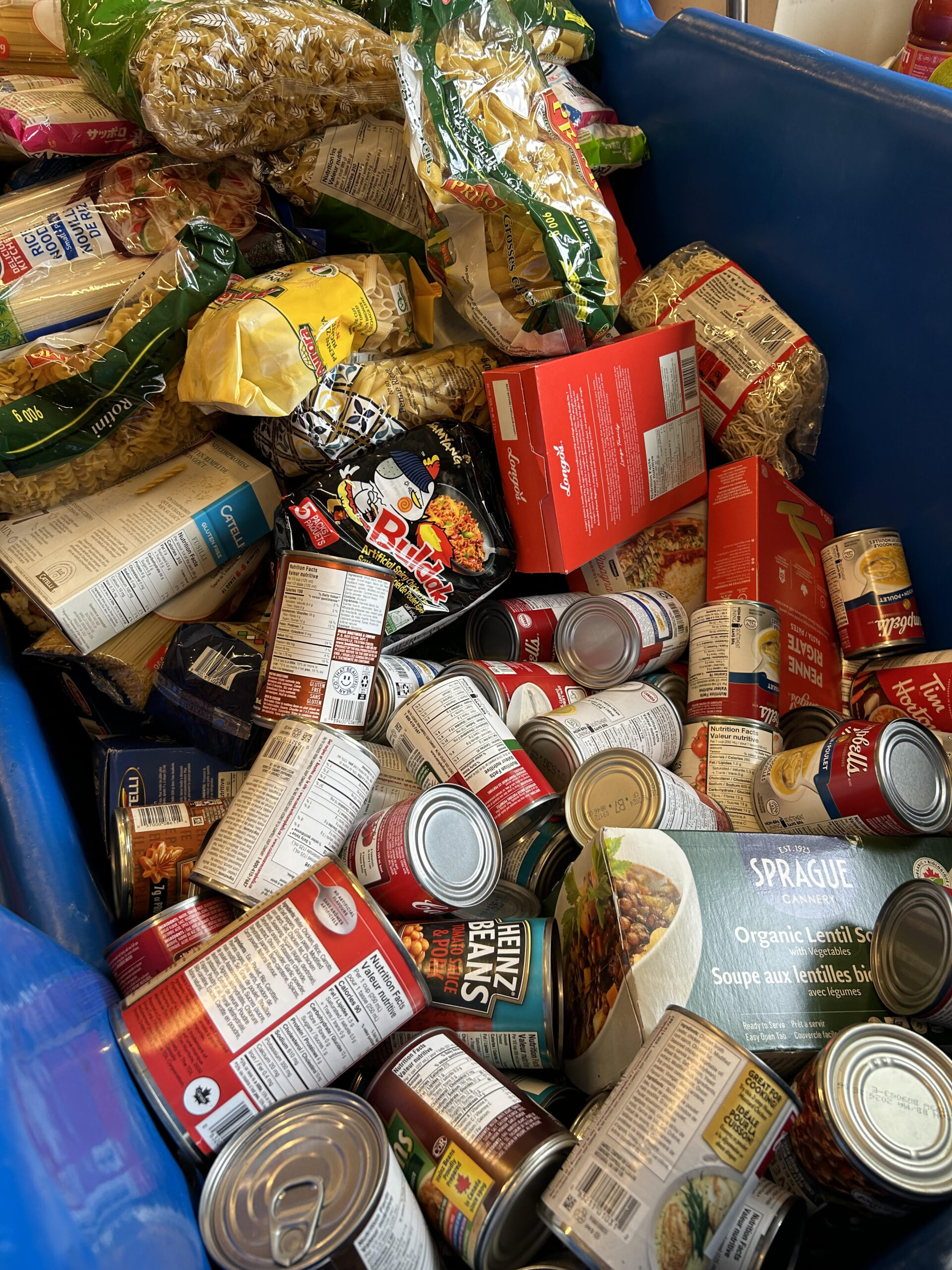
Food donations help keep shelves stocked and provide practical support for households facing food insecurity. We list most-needed items such as canned protein, pasta and pasta sauce, canned soup, cereal, oatmeal, toilet paper, and basic hygiene items. Needs can change monthly based on client demand and inventory levels.

For individuals, families, schools, workplaces, faith communities, and local businesses, donating food or hosting a food drive can be a strong way to help. It also helps more people understand that food insecurity exists in their own community.

The most helpful donations are safe, useful, and aligned with current needs. The Compass asks that food items be sealed, unopened, undamaged, clearly labelled, and within their best-before date.

To donate food or plan a food drive, visit our Donate Food page.

Community support means dignity, not just groceries

A food bank visit should never make someone feel small.

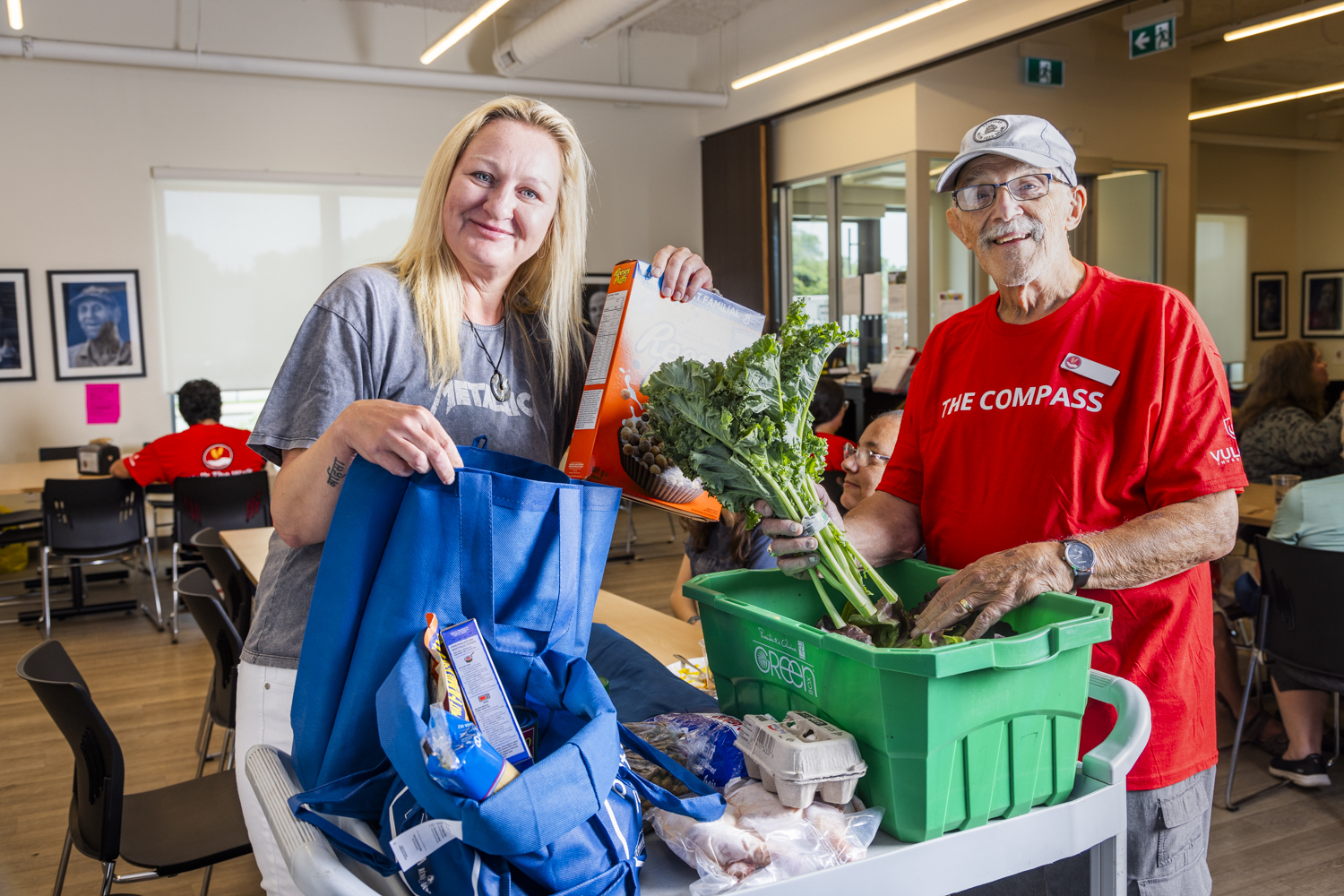
The Compass’ work is grounded in welcome, choice, and dignity. The organization’s mission includes bringing food to the table, being a community where everyone is welcome, and supporting people with all of life’s challenges.

That sense of dignity matters.

Someone may come for groceries, but they should also feel respected. Someone may come for a meal, but they should also feel seen. Someone may come during a hard season, but they should know they are not alone.

Our programs reflect this wider view of support. Along with food and meals, we offer community programs and services such as support groups, legal services, ID clinic support, healthcare-related services, seasonal support, and connection to other resources.

This is what community support looks like when it is done with care. It is not only about what people receive. It is about how they are welcomed.

How everyday donors can support advocacy?

Advocacy does not have to mean leading a campaign or becoming an expert overnight.

It can start with learning. It can mean reading about food insecurity, understanding the connection between hunger and housing, and sharing accurate information with others. It can mean talking about food bank use without shame or blame. It can mean supporting organizations that combine food assistance with long-term change.

The Compass encourages community members, partners, and decision-makers to understand and address the root causes of food insecurity. It also explains that advocacy includes education, storytelling, visibility, and participation in community events.

Everyday advocacy can be simple:

  • Share our work with your workplace, school, church, or community group.
  • Support local events that raise funds and awareness.
  • Speak respectfully about people experiencing poverty, food insecurity, or homelessness.
  • Contact local representatives about housing, income support, and food security.
  • Donate to a food bank that also works toward long-term change.

Advocacy helps change the conversation. It reminds people that hunger is not a character flaw. It is a community issue that requires a community response.

Giving and advocacy are stronger together.

A food bank should not have to choose between feeding people now and working toward a better future.

Giving helps meet the need in front of us. Advocacy helps reduce the need over time.

Giving helps provide groceries, meals, programs, and care. Advocacy helps address income insecurity, unaffordable housing, rising food costs, gaps in social supports, and other root causes of hunger.

Together, they create a stronger response.

The Compass’ impact shows how much community support matters. In 2025, The Compass distributed 954,958 pounds of food, helped 1,749 people weekly, supported 42,222 client visits to the food bank, and served 84,381 meals from the kitchen.

Those numbers are not just statistics. They represent neighbours. They also represent donors, volunteers, partners, and advocates choosing to show up.

To support this work, make a gift through the Donate Funds form or explore The Compass’ Volunteer opportunities.

What you can do today?

Food insecurity can feel like a large issue, but action can start close to home.

You can donate funds to help us respond to urgent needs. You can become a monthly donor to provide steady support. You can donate food or organize a food drive. You can volunteer your time. You can learn more about advocacy and speak up for solutions that support food security, housing stability, and dignity.

You do not need to do everything. Start with one action that fits your capacity.

A one-time gift can help today. A monthly donation can help every month. A food drive can bring people together. A volunteer shift can offer practical support. A conversation can help reduce stigma. Advocacy can help move the community toward lasting change.

Help for Today. Hope for Tomorrow.

Food banks need immediate help because people are hungry now. They need long-term change because hunger should not be normal.

The Compass understands both sides of that reality. It provides groceries, meals, programs, and a welcoming place for people who need support today. It also advocates for a future where fewer people are forced to rely on emergency food assistance.

That work depends on community support.

To support neighbours today, please use The Compass’ secure Donate Funds form.

To ask questions about giving, volunteering, food donations, programs, or advocacy, please contact The Compass.

Why do food banks need advocacy?
Food banks need advocacy because food distribution alone cannot solve the root causes of food insecurity. Advocacy helps address issues like income insecurity, unaffordable housing, rising food costs, and gaps in social support.

Is donating to a food bank still important?
Yes. Donations help food banks provide groceries, meals, programs, and support for people facing urgent food insecurity. Advocacy is important, but people still need help today.

How can I support The Compass?
You can support The Compass by donating funds, becoming a monthly donor, donating food, volunteering, hosting a food drive, or learning more about advocacy.

What does The Compass advocate for?
The Compass advocates for long-term solutions to food insecurity and homelessness, including affordable housing, stronger income supports, access to nutritious food, and better community support systems.