By The Compass. November 2nd, 2026.
Ask people who spend time at The Compass what keeps them coming back, and the answer rarely begins with a number.
It usually begins with a person.
A neighbour they met while volunteering. A conversation that stayed with them. A client who needed more than groceries. A connection to another service. Or simply the feeling of being part of a community where people look out for one another.
That is what we mean when we talk about The Compass’s Circle of Care.
It includes food, but it goes beyond food. Staff, volunteers, donors and community partners all play different roles in helping neighbours access groceries, meals, connection and practical support.
In our Circle of Care video, several of those people shared what The Compass means to them and why they continue to be part of it.
Here are some of the people behind the Circle.
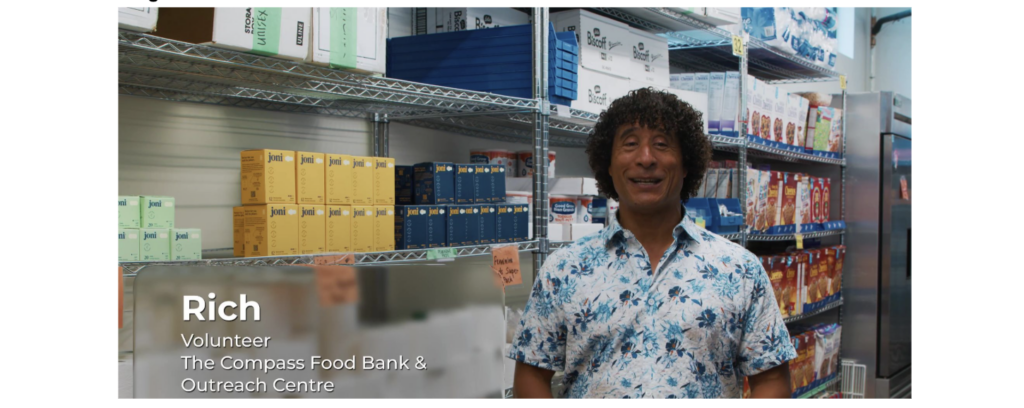
Rich came to The Compass as a volunteer without fully knowing what the experience would become.
Like many people considering food bank volunteering, he initially focused on the practical side of the role: showing up, helping with the work and contributing some time.
What surprised him was how much he received from the experience himself.
Working alongside other volunteers and meeting people in the community changed how he thought about volunteering. It became more than completing a task or filling a shift.
It became personal.
Rich describes The Compass as a group of people who have come together to support their community. That sense of shared purpose is what continues to bring him back.
His experience also challenges a common assumption about volunteering: that one person simply gives and another receives.
At The Compass, support often moves both ways.
Volunteers contribute their time, skills and energy, but they also build relationships, learn about their community and become part of something larger than themselves.
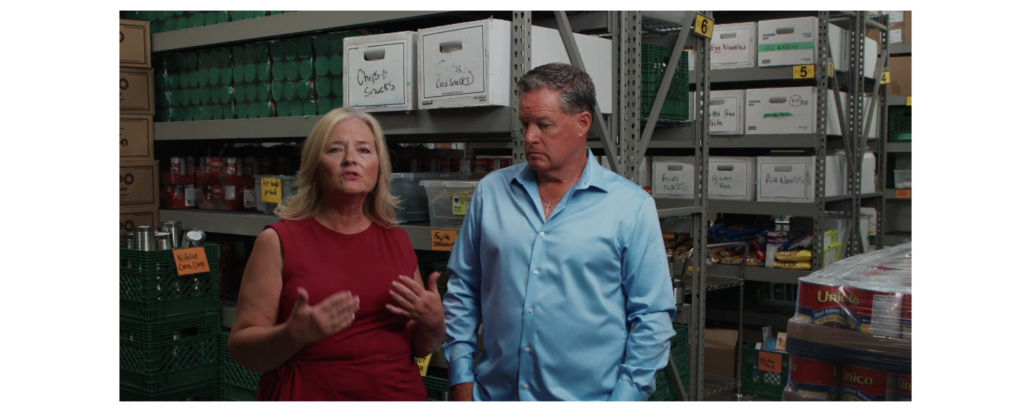
Cathy and Mike have supported The Compass as both donors and volunteers.
For them, one of the most meaningful parts of being involved is what happens when a statistic becomes a person.
Food insecurity is often discussed through numbers: the number of visits to food banks, the number of households needing assistance or the rising cost of groceries.
Those numbers are important because they help us understand the scale of the issue.
But they do not tell us everything.
When you meet someone, hear about their circumstances and understand a little more about what they are facing, food insecurity becomes much more personal.
Cathy and Mike speak about the importance of people feeling seen for who they are.
That idea is an important part of the Circle of Care.
Someone arriving at The Compass may be coming for groceries, but they are not defined by needing groceries.
They are a neighbour.
A parent.
A senior.
Someone balancing work, housing costs and rising expenses.
Someone dealing with a difficult period in their life.
The goal is to create a community where asking for support does not take away a person’s dignity.
It is also one of the reasons donors and volunteers matter so much. Their involvement helps create an environment where people can find both practical help and human connection.
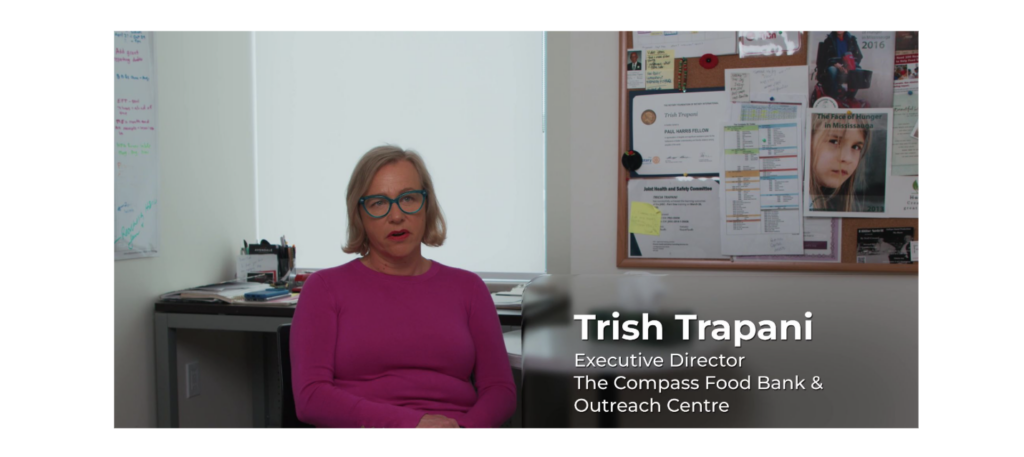
As Executive Director, Trish Trapani sees both the immediate needs people bring to The Compass and the bigger challenges behind them.
The Compass’s mission is centred on Help for Today, Hope for Tomorrow.
The first part is often visible.
Someone needs groceries today.
Someone needs a meal.
Someone needs help navigating an immediate challenge.
But meaningful support cannot always end there.
Hope for tomorrow means asking what else could help someone move forward.
Is there another program they should know about?
Is there a community service that could help?
Is there another barrier affecting their ability to access food, housing, income or stability?
That wider perspective is why The Compass increasingly talks about a Circle of Care rather than food assistance alone.
Food may bring someone through the door.
The next step is understanding what support could make a difference beyond that first visit.
For Tracey Harms, Client Services Manager, working with people effectively begins with understanding where they are.
There is no single experience of food insecurity.
Two people may both need groceries while facing completely different circumstances.
One person may be struggling with the cost of housing.
Another may be navigating income support.
Another may need help finding a community service or understanding where to go next.
That is why accessibility matters.
The Compass brings a number of supports and community connections closer to clients so they do not always have to navigate multiple organizations on their own.
Having people available in person can make an important difference, particularly when someone is already dealing with a stressful situation.
Tracey’s perspective also highlights an important part of the Circle of Care that visitors may not immediately see:
donors make much of this work possible.
Financial support helps The Compass continue providing food, meals, programs and practical assistance throughout the year.
When someone makes a donation, they are not standing outside the Circle looking in.
They become part of it.
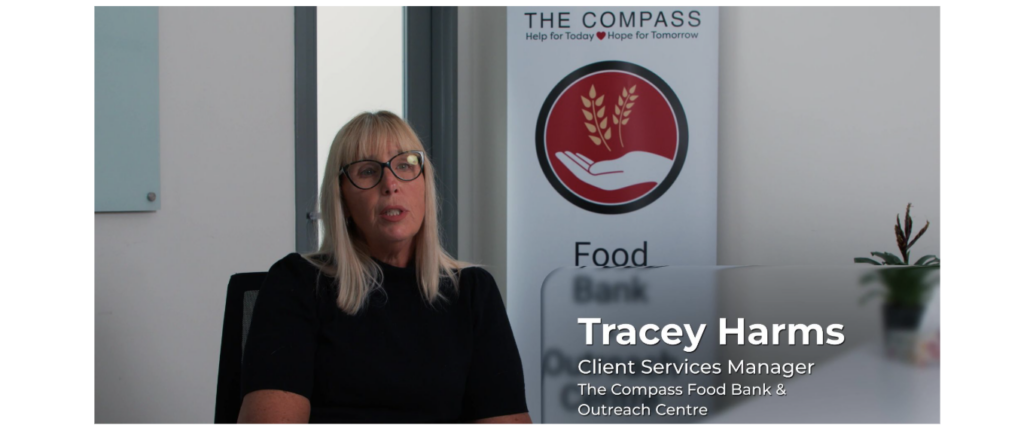
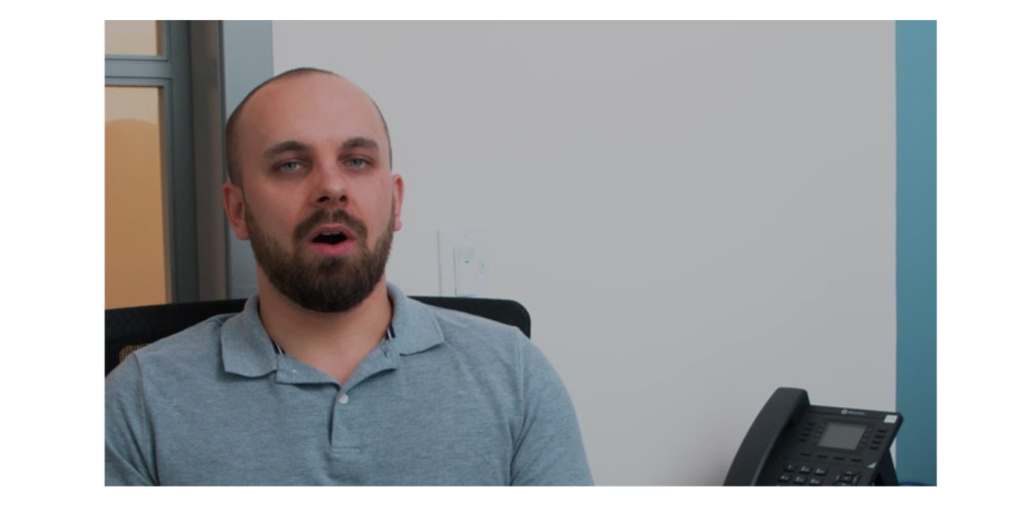
Jake works with clients through one of the community partnerships connected to The Compass.
His role demonstrates why bringing organizations and services together can be so valuable.
Someone may first arrive at The Compass because they need groceries.
During that visit, they may discover there is another kind of support available that they did not know about.
That connection matters.
Community services can sometimes feel difficult to navigate, particularly when someone is dealing with several challenges at once.
Bringing partners closer to the people who may need them can make the next step simpler.
This is one of the clearest examples of how the Circle of Care works in practice.
The Compass does not have to provide every service itself.
Instead, the community becomes stronger when organizations work together and help connect people to the right support.
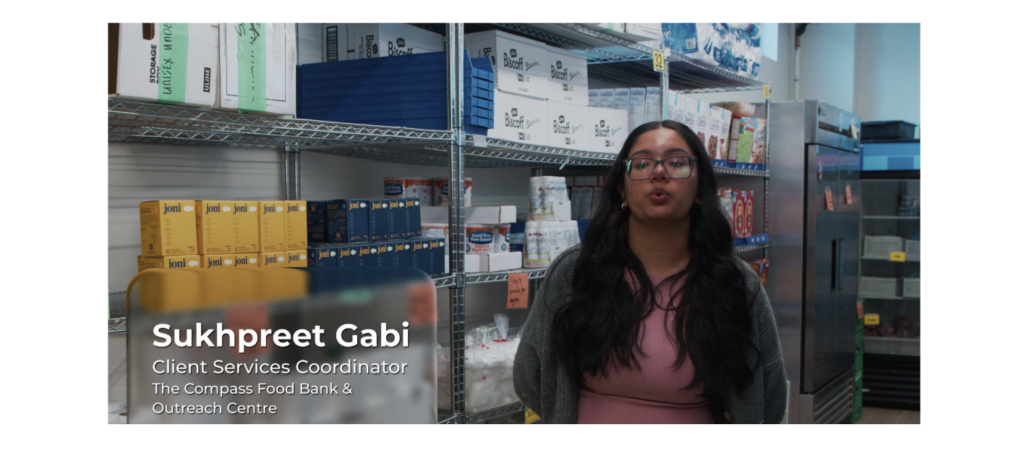
Sukhpreet Gabi, Client Services Coordinator, works closely with clients and sees how important individual needs can be.
Providing useful support starts with understanding the person.
That can include something as practical as dietary needs.
The Compass works to provide grocery options for clients with needs and preferences including vegetarian, halal, diabetic-friendly, gluten-free and lactose-free foods.
Those details matter because food assistance should be useful to the person receiving it.
But the conversation may go further.
Someone who initially needs groceries may also benefit from another program, service or referral.
Understanding those circumstances makes it easier to connect people with support that is genuinely relevant rather than assuming everyone needs exactly the same thing.
That is part of what makes The Compass more than a place to pick up food.
It is a place where people can be heard, connected and supported as individuals.
Rich, Cathy and Mike, Trish, Tracey, Jake and Sukhpreet all interact with The Compass in different ways.
Their responsibilities are different.
Their reasons for becoming involved are different.
But one idea connects their stories:
The Compass works because people keep showing up for other people.
A volunteer prepares food.
A donor helps fund the work.
A staff member takes time to understand someone’s needs.
A community partner provides another form of support.
A neighbour tells someone else that help is available.
No single person creates the Circle of Care.
It is created by all of those actions working together.
That is why The Compass is more than a food bank.
Food is an essential part of what we do, but the goal is also to create a welcoming community where neighbours can access connection, practical support and opportunities to find the help they need.
Volunteers are part of nearly every community organization, but at The Compass they are particularly important.
They help support food programs, kitchen activities, community events and other areas of the organization.
Their presence also contributes to something harder to measure:
the feeling of community.
A welcoming environment is created through thousands of small interactions.
Someone greeting a client.
Someone preparing a meal.
Someone organizing food.
Someone listening.
Someone returning for another shift because they have decided this community matters to them.
For people searching for volunteer opportunities in Mississauga, The Compass offers more than a way to contribute a few hours.
It is an opportunity to become part of the community you are helping support.
Not every supporter can volunteer in person.
That does not make their contribution any less important.
Financial donations help The Compass continue providing groceries, meals, community programs and practical support.
Some people make a one-time donation.
Others choose to give monthly through the Nourishing Circle.
Monthly donations are particularly valuable because they provide dependable support that The Compass can count on throughout the year.
There is no single correct way to participate.
The Circle of Care works because people contribute in different ways according to what they can offer.
Time.
Food.
Funds.
Expertise.
Connections.
Or simply helping someone else learn that The Compass is here.
You do not need to work at The Compass to be part of its Circle of Care.
You can join by volunteering.
You can make a financial donation.
You can become a monthly donor.
You can organize a food drive.
You can support a community campaign.
Or you can share The Compass’s work with someone who may want to get involved.
Each action may look different, but they all help strengthen the same community.
Everyone has something to give. Everyone has a place in the Circle.
Your financial support helps The Compass provide food, meals, community programs and practical assistance for neighbours in south Mississauga.
Do I need previous food bank experience to volunteer at The Compass?
No. Volunteer opportunities can involve different skills and responsibilities. Review the current opportunities on The Compass Volunteer page to find a role that fits your interests, experience and availability.
Can families or groups volunteer together?
Some volunteer opportunities may be suitable for groups while others require individual applications or specific scheduling. Contact The Compass or review the current volunteer opportunities before planning a group activity.
Are there ways for workplaces to get involved with The Compass?
Yes. Workplaces can support The Compass through activities such as food drives, fundraising, volunteering and charitable giving.
What is the Nourishing Circle?
The Nourishing Circle is The Compass’s monthly giving program. Monthly donors provide dependable, ongoing support that helps sustain food assistance, meals and community programs throughout the year.
What kinds of support does The Compass provide beyond groceries?
Along with food assistance, The Compass offers community meals, programs and connections to practical support and community services.
Can I share my own story about The Compass?
We’d love to hear it. Reach out to us directly, we’re always glad to feature the voices of the people who make this community what it is.