
By The Compass. May 15, 2026.
Food bank use is rising among working families in Ontario. Feed Ontario reported that more than 1 million people used food banks in Ontario between April 2024 and March 2025, with over 8.7 million visits in one year. Many visitors are employed, showing that work alone does not always protect households from food insecurity. Community food banks like The Compass help by providing weekly groceries, meals, programs, and advocacy, while donors can support this work through funds, monthly giving, food donations, and volunteering.
Food insecurity means a person or household does not have reliable access to enough affordable and nutritious food.
For a working family, this may not always look like an empty fridge. It may look like buying fewer fresh foods because shelf-stable items are cheaper. It may mean skipping meals so children can eat. It may mean choosing between groceries and a phone bill, medication, rent, gas, or a transit pass.
For many households, the issue is not poor planning. It is that income is not keeping up with the cost of living.
A parent may know exactly what their family needs but not have enough money to buy it. A senior may try to stretch a limited income across rent, prescriptions, and food. A worker may pick up extra shifts and still not cover the basics.
This is why food insecurity should never be treated as a personal failure. In many cases, people are already making careful choices. The problem is that the cost of living has moved beyond what their income can manage. They are cutting costs, delaying purchases, borrowing money, or going without. A food bank can become the bridge that helps them get through the week.
This is why community support matters. A weekly grocery order, a hot meal, or access to a helpful program can reduce immediate pressure for someone who is trying to stay stable.
Having a job helps, but it does not guarantee food security.
Many people in Ontario work in jobs that do not provide stable hours, predictable schedules, benefits, or wages that match local living costs. Some workers are part-time. Some are contract, seasonal, self-employed or working in gig roles. Others work full-time but still cannot keep up with rent and groceries.
This is especially difficult for renters. Housing is usually the bill that must be paid first. If rent goes up, or if a household loses hours at work, food becomes the place where people cut back. That does not mean food is less important. It means it is often the most flexible part of a tight budget.
This is one reason food banks see more visitors near the end of the month. By then, rent has been paid, bills have come out, and there may not be enough left for groceries.
For working families, food insecurity can feel especially frustrating. People may feel they are doing everything they are supposed to do, but the numbers still do not work. That is why a community food bank like The Compass is so important. It provides immediate support while also recognizing that food insecurity is connected to bigger issues like income, housing, employment, and access to support.
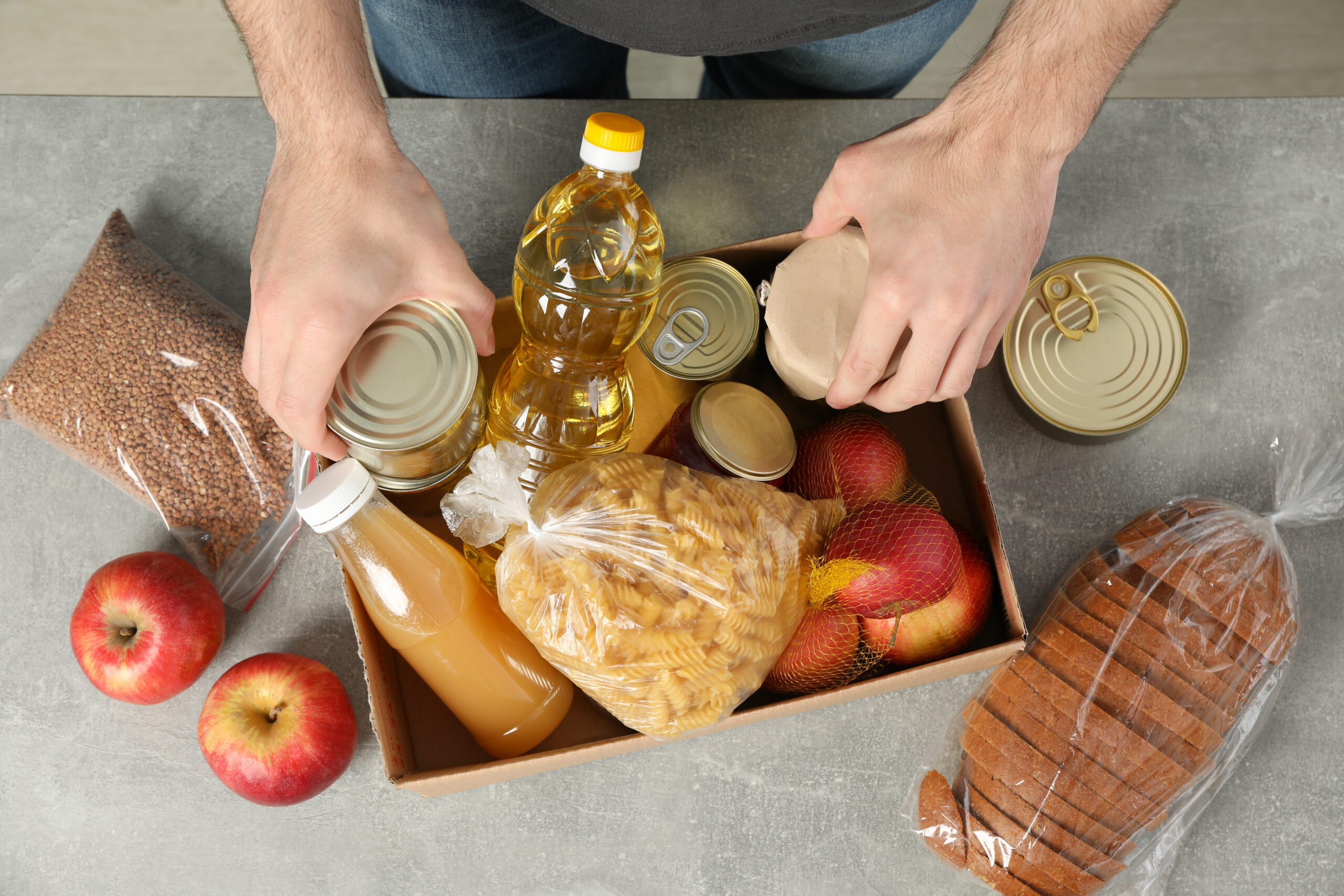
Rising food bank use is not only a food issue. It is a community issue.
When more working people need food assistance, it tells us that many households are living very close to the edge. One unexpected bill, missed shift, rent increase, car repair, illness, or childcare cost can create a crisis. When people cannot afford basic necessities, they are at greater risk of housing instability, health problems, and deeper poverty. Food banks are often among the first places to see those pressures rising.
In practical terms, this means food banks are doing more than handing out groceries. They are helping prevent small emergencies from becoming larger ones.
A weekly grocery order can help a family keep rent paid. A hot meal can reduce stress for someone who has nowhere else to go. A community program can help a neighbour feel less alone. A referral to another service can help someone take the next step toward stability.
Supporting a food bank is also a way to support the wider community. It helps people stay housed, fed, connected, and treated with dignity.
To help meet immediate food needs in Mississauga, make a secure gift through Donate Funds.
The Compass provides people with food and a safe, welcoming community. That wording matters because hunger is not only about calories. It is also about dignity, choice, connection, and support.
Through our, eligible neighbours in south Mississauga can order groceries every week. We also offer The Compass Kitchen, where people can enjoy free sit-down meals and connect with the community. Its programs include meals, activities, support services, legal services, ID clinics, and other forms of practical help.
The Compass’ impact is significant. In 2025, The Compass reported distributing 954,958 pounds of food and supporting 42,222 client visits to the food bank.
Those numbers show the scale of food insecurity in the local community. They also show what donor, volunteer, and community support can make possible.
For someone who is working but still struggling, we help reduce immediate pressure. Groceries can make room in a household budget. A meal can help someone get through a difficult day. Community programs can connect people to support beyond food.
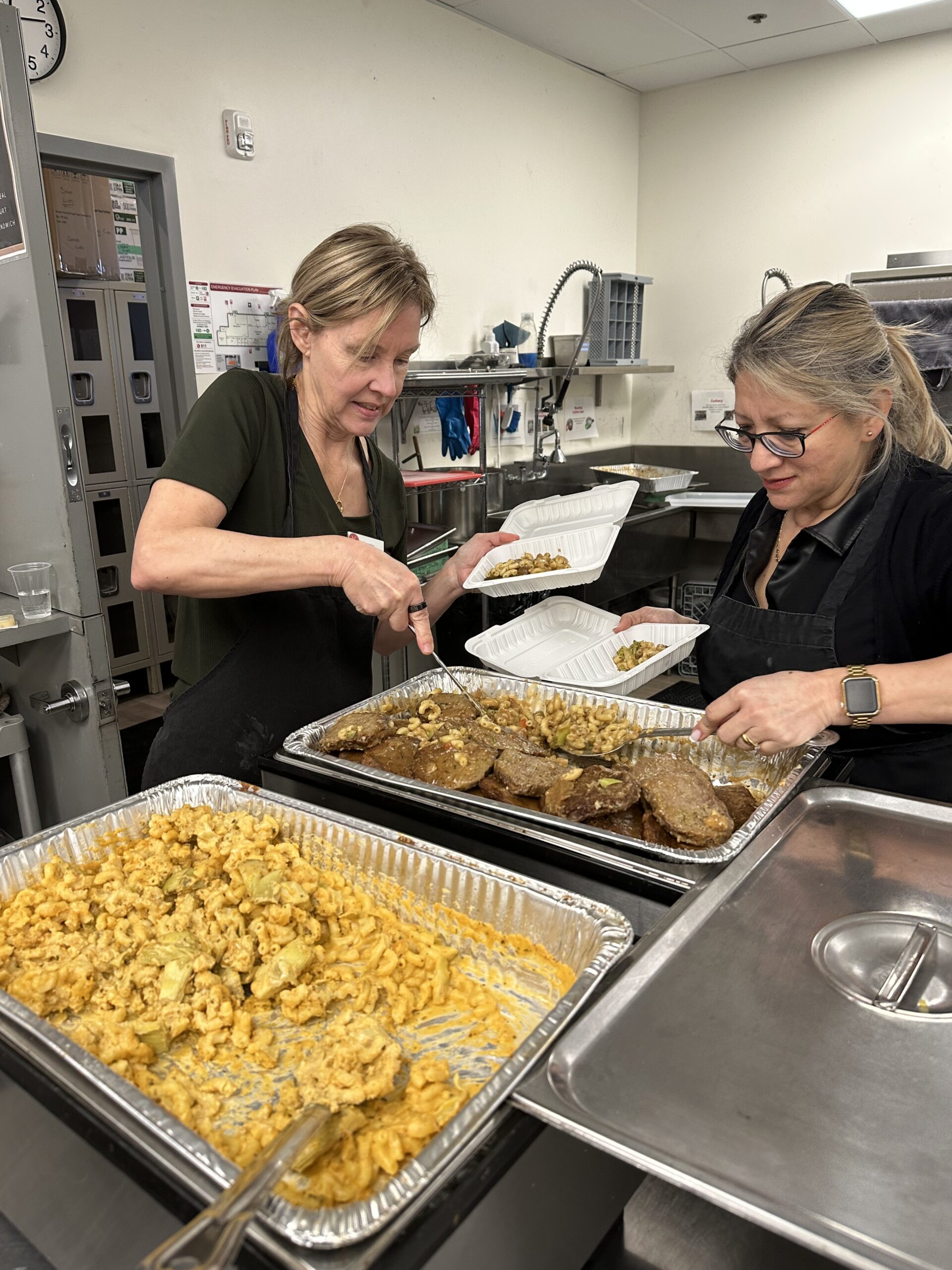
Food donations are important. They help keep shelves stocked and give neighbours access to everyday essentials.
But donating funds is the most useful way to help.
When donors donate funds, The Compass can respond to the most urgent needs. Funds can help purchase food efficiently, fill gaps in inventory, support meals, and keep programs running. Financial gifts also provide flexibility. If a certain item is running low, or if demand rises quickly, funds help The Compass respond without waiting for specific items to arrive. We have partnerships with several local food suppliers to purchase some of our much needed items at less than retail prices.
The Compass notes that every monetary donation makes a difference and helps provide immediate support to those in need. Tax receipts are provided for monetary donations of $20 or more.
For donors, this means a financial gift can help in practical and direct ways. It supports the day-to-day work of feeding neighbours and offering community support.
Food insecurity is not limited to one season. Families need groceries every week. People need meals every week. Food banks need to plan for demand every week.
That is why monthly giving is so valuable.
Through our Donate Monthly option, donors can join the Nourishing Circle and provide consistent support.
Monthly donations help us plan. They make support more predictable, which matters when demand is high. A recurring gift can help purchase food, support programs, and keep essential services available.
A donor does not have to give a large amount for it to matter. A monthly gift at a level that fits the donor’s budget, can help create reliable support for neighbours facing food insecurity and homelessness.
For people who want to make a lasting local impact, monthly giving is one of the strongest options.
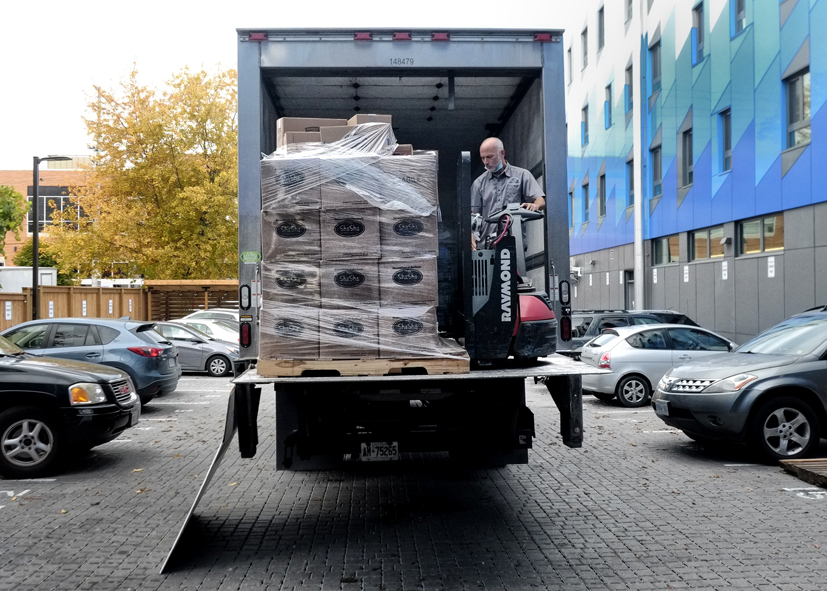
Food donations remain a direct and meaningful way to help.
For people searching for where to donate food in Mississauga, The Compass offers clear ways to give. Donors can bring non-perishable food to The Compass, ship items directly, or organize a food drive in their community.
Food donations can be especially helpful when they include everyday staples. These may include canned protein, pasta, rice, cereal, oatmeal, canned vegetables, canned fruit, soup, pasta sauce, and hygiene items. Donors should check our Donate Food page for current guidance before planning a larger drop-off.
Food drives can also be useful for workplaces, schools, faith communities, neighbourhood groups, and local businesses. They raise awareness while collecting items that support weekly grocery distribution.
The strongest support often comes from a mix of giving. Donating food helps fill immediate needs. Donating funds helps us respond with flexibility. Monthly donations create steady support. Volunteering gives time and care. Advocacy helps address the reasons people need food banks in the first place.
Food banks help people today, but food insecurity will not end through food support alone.
Our Advocacy work focuses on the root causes of hunger, including affordable housing, rising food costs, income insecurity, employment, homelessness, and access to nutritious food.
This matters because many working people are not hungry because they lack effort. They are hungry because their income does not stretch far enough in the current economy.
Advocacy helps bring attention to the conditions that create food insecurity. It asks better questions. Why are so many working people unable to afford food? Why is rent taking up so much of household income? Why are support systems not keeping pace with the cost of living? What policies would help people stay housed, fed, and stable?
Supporting advocacy does not replace donating food or funds. It works alongside them.
Food assistance helps now. Advocacy helps push for a future where fewer people need emergency food support.
Volunteers are a major part of how community food banks operate.
At The Compass, volunteers help with food distribution, meals, programs, administration, events, and other forms of community support. For people looking for volunteer opportunities in Mississauga, giving time can be a meaningful way to support neighbours directly.
Volunteering also helps people understand food insecurity more clearly. It shows how many different people rely on food assistance. It makes the issue harder to ignore and easier to respond to with compassion.
For businesses and groups, volunteering can also build a stronger connection to the local community. It is one thing to know food bank use is rising. It is another thing to spend time helping the people affected by it.
The rise in food bank use among working families can feel overwhelming, but there are practical ways to help.
You can donate funds to support immediate food assistance and programs. You can become a monthly donor to provide reliable support throughout the year. You can donate food to help stock shelves with non-perishable items. You can volunteer your time. You can share The Compass’ work with your workplace, school, church, or community group. You can also learn more about advocacy and support long-term solutions that address poverty, housing, and income insecurity.
Every action helps. A bag of groceries helps. A one-time gift helps. A monthly donation helps. A few volunteer hours help. Speaking up for stronger community support helps.
Food bank use is rising among working families because the cost of living has become too high for too many households. Employment should help people build stability, but for many Ontarians, work no longer guarantees enough money for food.
Community support makes a real difference. The Compass continues to provide food, meals, programs, and a welcoming place for neighbours in South Mississauga. Donors, volunteers, partners, and advocates make that work possible.
If you are able to help, please consider making a gift today, starting a monthly donation, donating food, or volunteering.
To support neighbours facing food insecurity, please use our secure Donate Funds form.
To ask questions about giving, volunteering, food donations, programs, or other ways to get involved, please contact The Compass.
Why are working families using food banks in Ontario?
Working families are using food banks because income is not always keeping up with the cost of rent, food, transportation, utilities, childcare, and other essentials. Many people are employed but still do not have enough money left for groceries after paying major bills.
Are food bank clients employed?
Yes. Feed Ontario reported that 1 in 4 food bank visitors in Ontario had a job. Food Banks Canada also reported that 19.4% of food bank clients nationally were employed in 2025.
How can I help The Compass Food Bank?
You can help by donating funds, starting a monthly donation, donating food, volunteering, hosting a food drive, or hosting a fundraiser. We also welcome people to get in touch for questions about giving and getting involved.